Family
Leadership Begins at Home
Before I was ever a head coach, strength coach, or leadership developer, I was a husband and a father.
And the most important leadership responsibility I have ever had has been within my own home.
My wife and I have been married for 34 years. She has been an incredible partner in life and parenting, and made the decision to stay home full-time while raising our children. Her commitment to our family created an environment where our kids were loved, supported, and deeply connected to both of us and each other.
Together we have raised four children—three sons and one daughter.
Today they are all adults who love the Lord and continue to pursue their own walks of faith. One of the greatest blessings of our lives is that we all have strong individual relationships with each other and a family culture that continues to keep us closely connected.
__________________________________________________________________
Parenting with Intentionality, Passion, and Purpose
Like many families, sports played a significant role in our home.
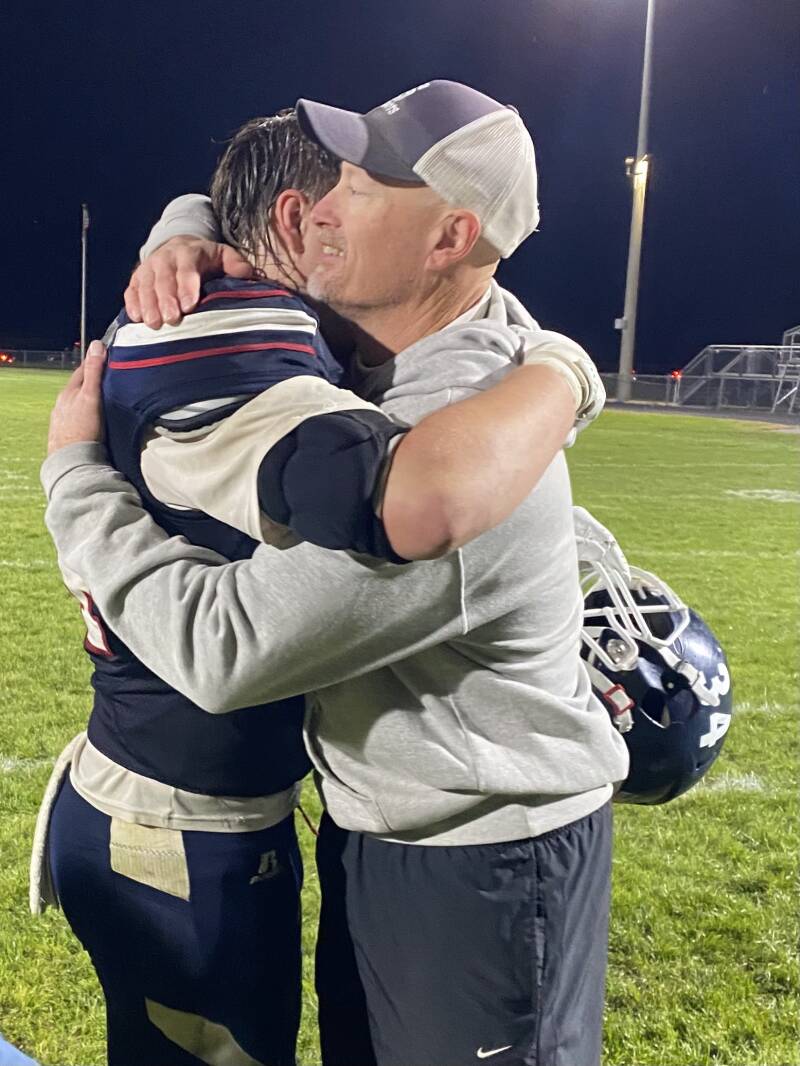
I had the opportunity to coach all three of my sons in football, and I also spent many hours training our daughter in soccer.
From the beginning, my wife and I were intentional about one thing:
sports would strengthen our relationships, not damage them.
Too often athletics can create distance between parents and children through pressure, expectations, or misplaced priorities. We wanted athletics to become a context where character, discipline, and leadership could be developed while strengthening our family relationships.
That required intentionality.
We approached parenting the same way I approached coaching: with clear standards, strong relationships, and consistent guidance.
Over time I realized something important:
I coached the way I parented, and I parented the way I coached.
The principles that build strong teams—trust, accountability, encouragement, discipline, and sacrifice—are the same principles that build strong families.
A Strong Family, Not a Perfect One
Our family is strong, but it has never been perfect.
Like every family, we have faced challenges, mistakes, and seasons where growth was necessary. Parenting requires humility, patience, and the willingness to continue learning.
What we tried to do consistently was approach family leadership as a team.
My wife and I parented together with intentionality, passion, and purpose. We sought to model the values we wanted our children to develop and create an environment where relationships mattered more than performance.
Today we see those values reflected in the lives of our children and the way they approach their own faith, relationships, and responsibilities.
That is one of the greatest rewards of parenting.
Why I Care About Coaching Parents
Many of the same leadership principles that build strong teams also build strong families.
Clear standards.
Strong relationships.
Consistent accountability.
Intentional leadership.
Over the years I have become increasingly passionate about helping parents lead their homes with the same intentionality that great coaches bring to their teams.
Because the home is the first and most important place leadership is developed.
Strong families build strong leaders.
Lessons We Tried to Teach Our Kids
Parenting is a long journey of learning, adjusting, and growing together as a family. Looking back, there were a few principles my wife and I tried to reinforce consistently with our kids.
We certainly didn’t do everything perfectly, but these values helped shape the culture of our home.
1. Faith Comes First
We wanted our kids to understand that faith was not just something practiced on Sundays, but something that shapes everyday decisions.
Our hope was that each of them would develop their own personal relationship with Christ, not simply inherit our beliefs.
Faith had to become real for them.
2. Self-Worth Is Not the Same as Self-Esteem
One lesson we tried to teach our children was the difference between self-worth and self-esteem.
Self-worth comes from understanding that every person is created in the image of God and has value because of that. Our worth is ultimately rooted in the fact that God loves us and that Christ gave His life for us.
Self-esteem, on the other hand, is often based on how we think we are performing or how others evaluate us.
Achievements, success, and recognition can influence self-esteem, but they should never determine a person's value.
We wanted our children to understand that their worth was not defined by wins, losses, grades, or performance. Their value came from who they are in Christ, not from what they accomplish.
3. Ask: What Is the Most Loving Thing to Do?
When making decisions, we tried to teach our children to ask an important question:
“What is the most loving thing to do?”
Not what is easiest.
Not what is most convenient.
Not what avoids conflict.
But what is most loving.
Sometimes the most loving choice means telling the truth when it’s uncomfortable.
Sometimes it means holding someone accountable.
Sometimes it means sacrificing your own preferences for the good of others.
Learning to choose love over convenience helps develop maturity, courage, and integrity.
4. The Pursuit of Growth and Excellence Is God-Honoring
We tried to teach our kids that pursuing growth and excellence is a way of honoring God.
The goal was not to be the best for recognition or approval from others. It was to become the best version of themselves as an act of faithfulness to God.
Excellence was not about comparison or performance-based value. It was about stewarding the gifts and opportunities God has given us.
We encouraged our children to pursue growth in every area of life while remembering that true excellence happens when we are actively walking with God and allowing Him to shape us into who He created us to be.
5. Character Matters More Than Performance
Athletics and school achievements were important, but they were never the ultimate goal.
Effort, integrity, humility, and responsibility mattered more than wins, statistics, or recognition.
Success without character is never true success.
6. Family Is a Team
We often talked about our family as a team.
Teams support one another, encourage one another, and hold each other accountable.
That mindset helped our kids understand that their actions affected the whole family, not just themselves.
7. Work Hard and Finish What You Start
Whether it was school, sports, chores, or responsibilities, we tried to teach our kids the value of perseverance.
Hard work builds confidence, resilience, and respect for the process.
Finishing well matters.
8. Relationships Matter More Than Achievements
One of our priorities was making sure that sports and activities strengthened our relationships instead of damaging them.
Competition can be healthy, but relationships always come first.
Our goal was for our kids to know they were loved and valued regardless of performance. We had a conversation with each of them early on, "We could choose to go to all of your activities, games, etc., or we could support you by going to some and then spend the extra time investing in a relationship." Each one of our kids chose the second.
9. Accountability Is an Act of Love
Holding someone accountable is not about control or criticism.
It’s about helping them become the person they are capable of becoming.
In our home we tried to make accountability part of how we cared for each other.
10. Leadership Means Serving Others
Leadership was never about being in charge.
It was about serving teammates, helping others succeed, and doing what was right even when it was difficult.
We hoped our kids would see leadership as an opportunity to make a positive impact on the people around them.
Closing Thought
The goal of parenting is not raising perfect children.
The goal is raising men and women of character who love God and influence others well.
Our Family Culture
Over the years my wife and I tried to be intentional about the culture of our home.
Just like a team develops a culture through daily habits and shared values, a family develops culture through the way parents lead, communicate, and respond to life together.
These simple principles helped guide our family.
Faith Is the Foundation
Our faith shaped the direction of our family.
We wanted our kids to understand that faith is not just something we talk about, but something that guides how we live, make decisions, and treat others.
Relationships Come Before Performance
Sports, school, and activities were important parts of our children’s lives, but they were never more important than our relationships.
Our goal was for our kids to know they were loved and valued regardless of wins, losses, or achievements.
Character Is the Standard
Talent and success can open doors, but character determines the kind of person someone becomes.
Integrity, humility, discipline, and responsibility were values we tried to reinforce consistently in our home.
Accountability Is Part of Love
In a healthy family, people hold each other accountable.
Not out of criticism, but out of care.
We tried to teach our kids that correction and accountability are part of helping one another grow.
We Face Life Together
Families grow stronger when they face life as a team.
Whether celebrating victories or navigating challenges, our goal was to support one another, learn together, and stay connected through every season of life.
Closing Line
A healthy family culture does not happen accidentally.
It is built through intentional leadership, strong relationships, and consistent values lived out every day.
Parenting Like a Coach
Over the years I began to realize something important about leadership in the home.
The principles that build strong teams are often the same principles that build strong families.
Clear standards.
Strong relationships.
Consistent accountability.
Encouragement and discipline.
A shared sense of purpose.
In many ways, I found that I coached the way I parented, and I parented the way I coached.
Both required intentional leadership.
Our Family Mission
Just like a team operates best when it has a clear mission, our family tried to approach parenting with a shared purpose.
Our mission as parents was simple:
To raise our children to have a passionate relationship with Jesus Christ and to impact the world by being in it, but not of it.
That mission helped guide many of the decisions we made as parents.
It influenced how we thought about:
-
the schools our kids attended
-
the friendships they developed
-
the activities they pursued
-
the media they consumed
-
the environments we placed them in
We wanted to lead our family in a way that consistently pointed them toward faith, character, and purpose.
Protecting and Preparing
As parents, it is natural to want to protect our children.
But we also believed something equally important: our role was not only to protect them, but to prepare them.
Eventually our children would step into the world on their own. Our goal was to help them develop the character, wisdom, and faith necessary to navigate that world well.
We wanted them to learn how to live faithfully in the world without being shaped by it.
Preparation meant teaching them:
-
how to think critically
-
how to make wise decisions
-
how to take responsibility
-
how to stand firm in their values
-
how to lead others with humility and courage
Isn't coaching the same thing, as coaches we control many aspects of practice in order to prepare them to play in the game with us on the sidelines.
Coaching Principles That Shaped Our Parenting
Just like in athletics, our goal was not simply short-term success but long-term development.
We tried to approach parenting with the same mindset a good coach brings to a team.
Lead with Relationship
The best coaches build trust with their players.
In the same way, parenting begins with strong relationships. Our kids needed to know that we cared about them first, not just their behavior or performance.
Set Clear Standards
Teams perform better when expectations are clear.
At home we tried to communicate what we valued—respect, responsibility, effort, and faith—and reinforce those standards consistently.
Encourage Growth
Coaches are constantly developing their players.
Parenting requires that same commitment to growth. Mistakes became opportunities to teach, guide, and help our children mature.
Balance Accountability and Support
Healthy teams combine accountability with encouragement.
We tried to hold our children accountable for their choices while also reminding them that we were always on their side.
Play the Long Game
Good coaches understand that development takes time.
Parenting requires the same perspective. Character, discipline, and leadership grow over years, not days.
The Goal of Coaching and Parenting
The ultimate goal of both coaching and parenting is the same:
To help people become the best version of themselves.
As parents, that meant helping our children grow into adults who love the Lord, build strong relationships, and live with purpose.
Today, those same principles guide my work with parents who want to lead their homes with intentionality, passion, and purpose.
Because the home is the first team we ever lead.
And the culture we build there shapes everything that follows.
Closing Thought
Strong teams don’t happen by accident.
Strong families don’t either.
Both are built through intentional leadership, consistent values, and relationships that matter more than performance.